In a world where online shopping is never further away than our pockets, getting people through your physical doors has never been more challenging. But for independent retailers, high-street shops, and hospitality venues, in-store sales are still the heartbeat of the business, and so if you belong to one of these categories (or indeed one of the many more out there), you’ll likely be wondering how to increase sales in-store.
To stay competitive, you’ll need to blend sharp digital strategies with an excellent in-store experience. That means showing up on Google Maps, getting rave reviews, and making it seamless for customers to connect with you, both online and off.
In this guide, we’ll break down 7 proven ways to increase retail sales in-store designed to help you boost visibility, drive more foot traffic, and ultimately sell more. We’ll cover:
Let’s get those doors swinging!
7 Steps To Boost Retail Sales
Boosting your retail sales in-store goes beyond waiting for customers to walk in – it’s about making sure that they can find you and have a great experience once they do. But how? Well, we’re just about to run through seven practical steps with a sprinkling of some great Yorkshire examples – get comfy!
1. Optimise Your Google Business Profile For Local Search
In many ways, your Google Business Profile acts as another shop window. It’s often the first place potential customers will discover your business, especially if they’re searching on their phones for something nearby. So, if your profile isn’t complete or up to date, you’re missing out on a huge opportunity to attract local footfall.
Start by making sure your business name, address, and phone number remain consistent everywhere online, whether that be on your website or in local directories such as Yelp and Yell. Consistency here helps Google to trust your information and display your store in local searches and on Google Maps.
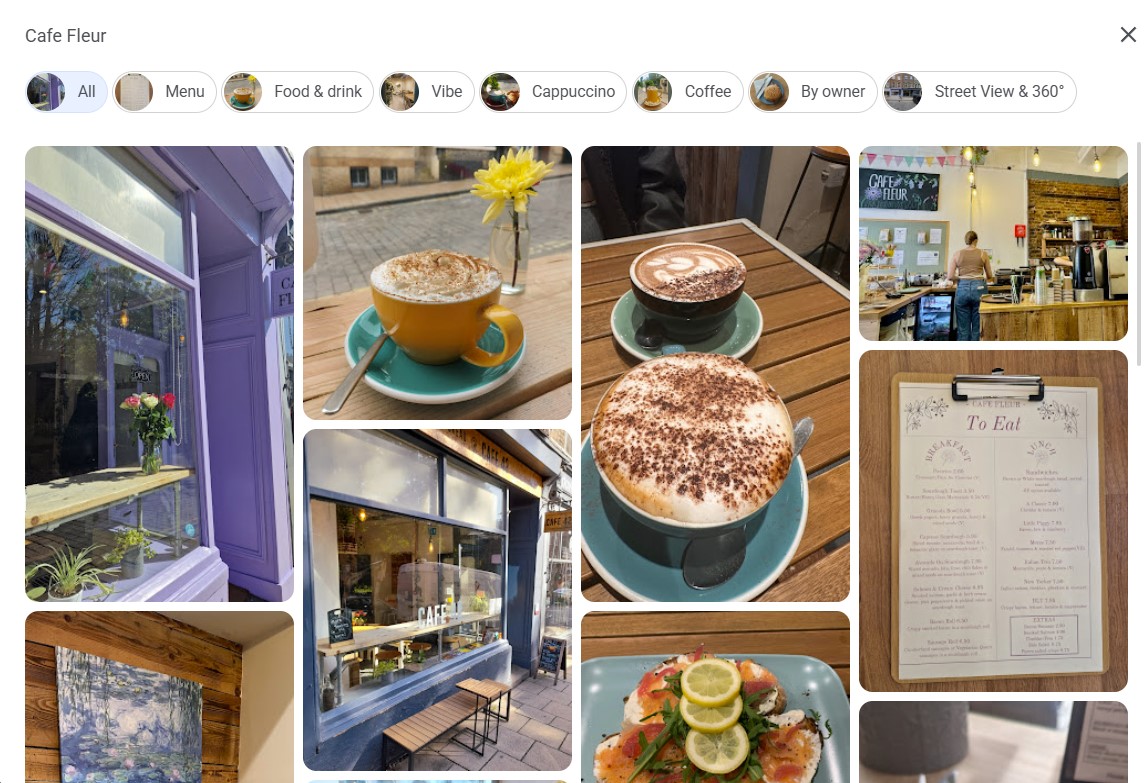
Then, add clear opening hours, plenty of quality photos, and a detailed description of exactly what it is that you offer. A great example of this is Café Fleur in York: they keep their profile current with fresh images and regular updates, which helps to draw in both locals and tourists.
Additionally, don’t forget to link your Google Business Profile with Google Ads to run local campaigns. Doing so will allow you to target customers right in your area, showing ads on Search, Maps, and even YouTube to boost your visibility further.
2. Build A Reputation Through Reviews
When it comes to choosing where to spend their money, people trust other customers just as much, if not more, than they trust your own messaging. Hence, when it comes to considering how to increase sales in-store, gaining positive reviews should be near the top of your priority list.
Not only can positive reviews make all the difference when it comes to distinguishing yourself from your competitors, but they also help to boost your local SEO, meaning that more people will find you online in the first place.
Encourage your happy customers to leave reviews on Google, Facebook, or even industry-specific sites. You could put up simple reminders in-store, send a follow-up email after purchase, or offer a small incentive like a discount on their next visit. Just make sure that the process is easy and feels genuine.
And don’t shy away from engaging with negative or vague reviews either! Responding professionally and offering to make things right can turn a dissatisfied customer into a long-term loyal one, and anyone reading your replies will see that you care about your service. Take the below example from Dog & Bone Vintage, a clothing shop on Castlegate:
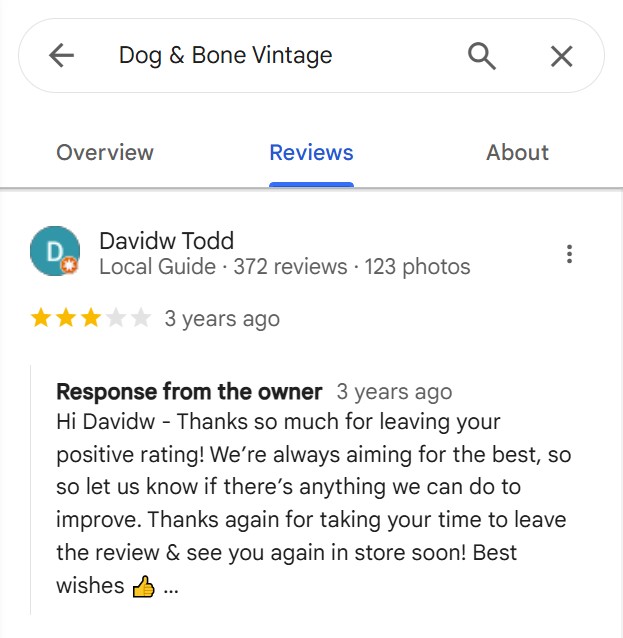
This kind of reply, even where the reviewer has not provided any additional comments, shows that D&B value every customer’s opinion and are committed to improving, which can in turn encourage more detailed feedback and build a positive reputation in the local area.
3. Deliver An Exceptional In-Store Experience
Once customers make it into your store, the experience you provide can make all the difference between just a quick glance and a sale. Friendly, knowledgeable staff, a welcoming atmosphere, and a thoughtful store layout all work together to create an environment that shoppers will want to return to.
Think about your store’s flow: is it easy for customers to find what they’re looking for? Is your signage relevant and clear? Are displays eye-catching but not overwhelming? Small touches like these can keep shoppers engaged and encourage them to explore more products. Plus, don’t underestimate the power of “Instagrammable” moments – by which we mean unique displays or creative décor that customers actively want to photograph and share.
A particularly striking example is The York Ghost Merchants located on the historic Shambles. They’ve transformed their shop into an immersive and story-rich experience, from the costumed workers to the experience of picking out your ghost figure from thoughtful displays. Customers queue daily just to get inside, and many share photos and videos on social media, creating a ‘buzz’ far beyond the shop itself.
Accessibility is another important factor to keep in mind and implement into all your in-store decisions. Wider aisles, ramps, and clear pathways ensure that everyone feels welcome, whether they’re pushing a buggy or using a wheelchair.
4. Craft A Memorable Brand Encounter
Your brand goes beyond your logo and a colour palette. It’s also about how people feel when they encounter your business at every touchpoint along their customer journey. From signage and packaging to social media posts and website copy, each element should serve the same goal: to stick in someone’s mind.
The Yorkshire Soap Company, with shops across York, Leeds, and Hebden Bridge, absolutely nails this. Their stores are whimsically styled with a luxurious feel. Their branding is cohesive across everything: shop signage, wrapping, website design, even down to the language used in their marketing. Every part of the customer journey feels considered and consistent.
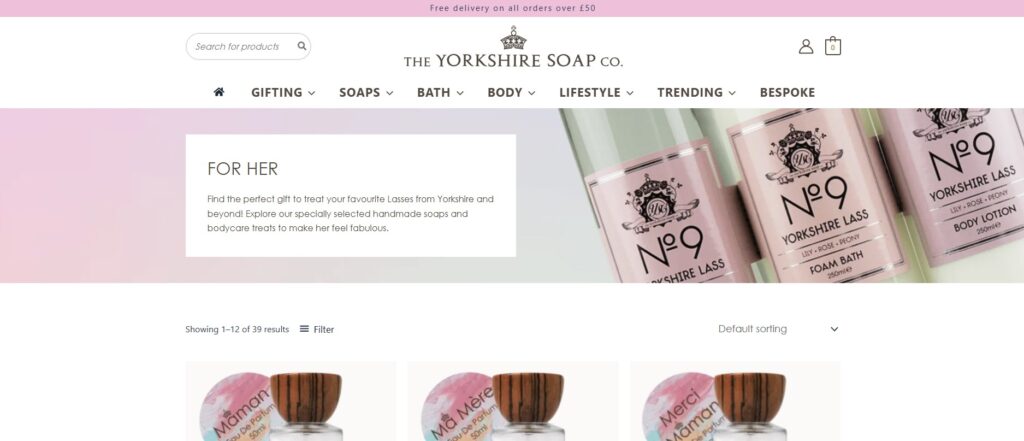
That kind of detail builds trust and recognition, which goes an extremely long way when it comes to thinking about how to increase sales. Potential customers know exactly what to expect, and the experience becomes memorable and shareable. To create a similar branded experience, focus on aligning your store’s look and feel with your website and social channels whilst also staying consistent with your tone of voice between other marketing channels. And of course, use colour, typography, and packaging to reflect and reinforce your brand personality.
5. Leverage Social Media To Drive Traffic
In recent years, social media has become one of the most effective ways to connect with local customers. A well-timed post or targeted paid ad can be the reason someone decides to pop into your shop that afternoon. The trick is in not just posting for the sake of it, but posting in a way that sparks curiosity, builds trust, and reflects the feeling of your store.
One example we particularly love is the York branch of independent comic and collectables shop, Travelling Man. Their Instagram presence focuses on authentic and personable content, from funny team selfies to designed posts that riff on trading card formats. This kind of social content works because it feels real. It gives followers a sense of the shop’s personality and creates a connection beyond the products on the shelves.
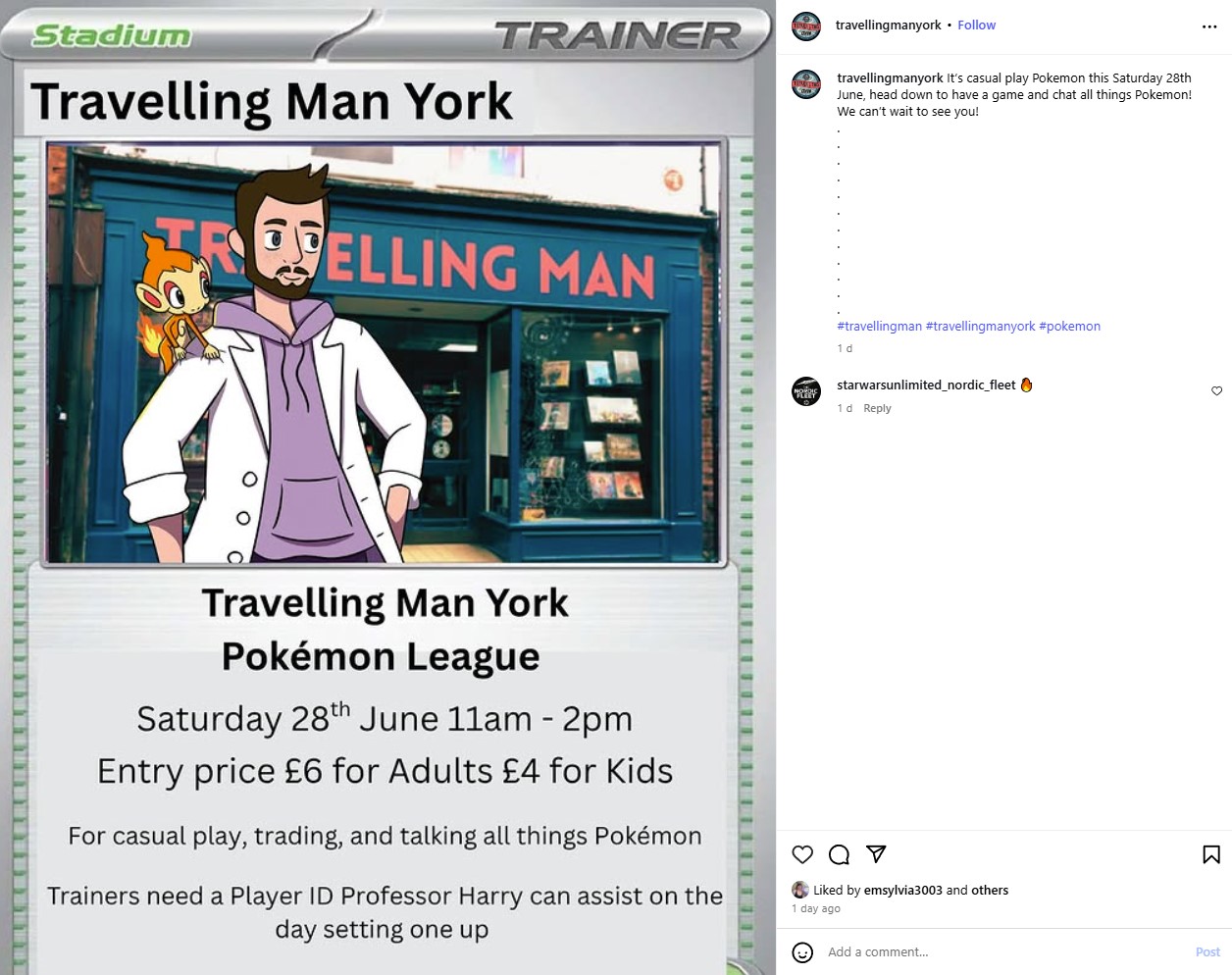
To get the most out of your own social media, think about what makes your business different and let that shine through. Share behind-the-scenes moments, highlight your team, celebrate your regulars, and show some personality. You could also use stories or reels to tease limited stock or same day offers to encourage more spontaneous action.
Be sure to tag your location in posts to increase your chances of appearing in local discovery feeds and use relevant hashtags that connect you to your area – think #ShopLocalYorkshire or #YorkIndies. And don’t forget the golden rule of social media: it works best when it’s social, meaning that replying to comments, liking content, and resharing customer posts is vital.
6. Run Targeted Ads
Organic SEO and social media marketing are great for building community, but when you want to boost footfall quickly or promote something specific, paid ads are your best friend. Geographically targeted ads let you reach the right people, in the right place, and at the right time, whether they’re scrolling on Instagram, watching YouTube, or searching on Google Maps.
With Google
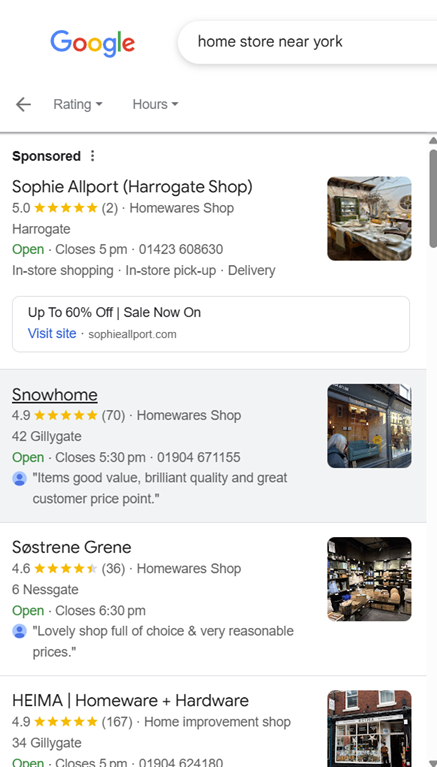
Google Ads is a particularly powerful option for retailers with physical stores. You’re able to create Local Ads campaigns that appear in Maps, Search, and even YouTube, all focussed on driving real-world visits. These ads work even better when your Google Business Profile is properly set up so that users can see your address, opening hours, product reviews, and directions at a glance. The below example from Sophie Allport in Harrogate shows each of these things at work:
With social media
Social media platforms also offer robust local targeting tools. You can set your ads to appear only to people within a certain distance of your shop, and filter even further by interests or demographics. For example, if you’re promoting a bath gift set, you can reach people nearby who’ve recently shown interest in skincare, gifting, or cosmetics.
And to debunk one myth: paid ads don’t need to be high budget to be effective, they just need to be relevant. Focus on high-impact moments like a product launch, a bank holiday offer, or an in-store event. With the right targeting and content, even a small ad spend can lead to a noticeable increase in-store sales.
For further insights, we recommend checking out our guide on Meta Ads (for Facebook, Instagram and Threads) and our introduction to Google local advertising.
7. Embrace Multichannel Retail
Your customers are probably no longer shopping in one place. They might be browsing online, checking your social media, visiting your physical store, or buying on a marketplace. Embracing a multichannel approach means making sure that each of those touchpoints work together to create a smooth and cohesive customer journey.
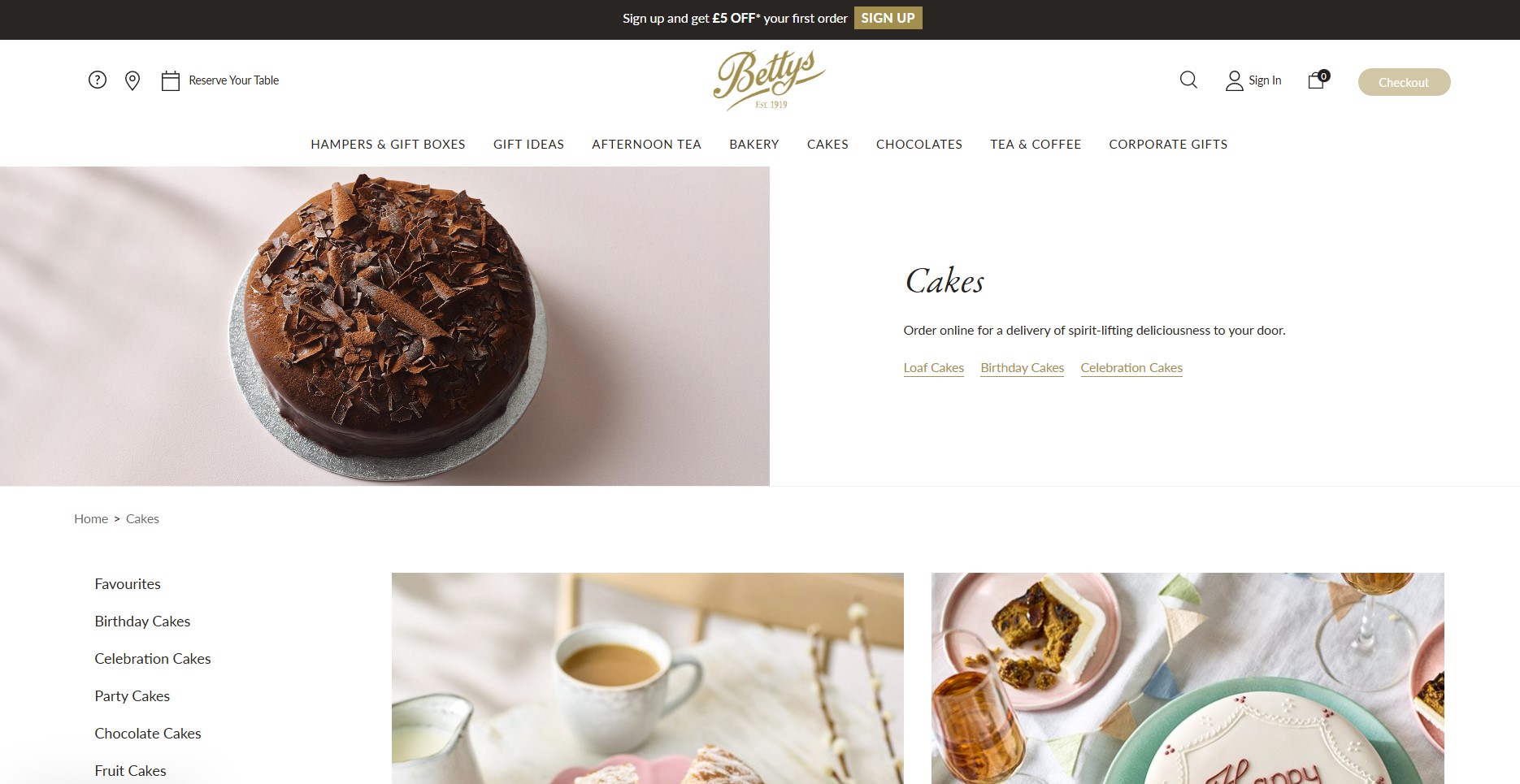
A fantastic Yorkshire example is Bettys Café Tea Rooms. Whilst famous for their welcoming and charming traditional tea rooms, Bettys also maintains a well-crafted online shop where customers can order teas, cakes, and gift sets to enjoy at home. Their website and social channels continue to echo the same classic branding and warm tone as their physical locations, creating a recognisable experience whether the customer is planning an in-person visit or shopping remotely.
Ultimately, multichannel retail is about removing friction. The more effortless you make it for customers to engage with your brand, the more likely they are to become loyal shoppers. So, think of your various channels as part of a bigger story that invites customers to interact on their own terms whilst still keeping your business front and centre.
How To Increase Sales In-Store: Final Thoughts
And so there you have it: how to increase sales in-store. From optimising your Google Business Profile to running targeted ads and embracing multichannel retail, every step plays an important part in turning browsers into buyers.
If there’s one thing to take away from this post, it’s that there’s not just one tactic to improve retail sales, but rather it’s a combination of well-executed strategies that work together. When these elements align, your business becomes more visible, more trusted, and ultimately, more successful.