Whether you’re an SEO newbie or a pro, you know how crucial backlinks are. No site can rank, get traffic, or gain authority without them. While it might be sad to admit our total dependence on them, there is a bright side as well — we can absolutely control the situation by knowing all the best strategies. This is exactly what we’ll be covering today.
Still, backlinking tactics differ from year to year, and frankly, staying constantly updated is overwhelming, time-consuming, and draining. So, let’s check out the most effective strategies out there that can help you improve your existing SEO backlinks.
Skip to:
Before We Begin: Assess Your Current Backlink Profile
A backlink profile is basically all the links from other websites leading to yours. Think about it. It is your real glimpse into how other sites see you.
So, it makes sense that before you even start working to get more backlinks, you want to know what your current backlink situation looks like. Plus, you get to know how attractive your web page is to prospects. So, how do you assess it?
Luckily, there are special tools for this, like Ahrefs Backlink Checker or SEMrush Backlink Checker. They let you figure out how many backlinks you have, where they are coming from, and whether they are trustworthy in a few simple steps.
- Open the Backlink Analytics tool directly or go to the SEMrush site and click Backlinks Analytics in the left-side menu:
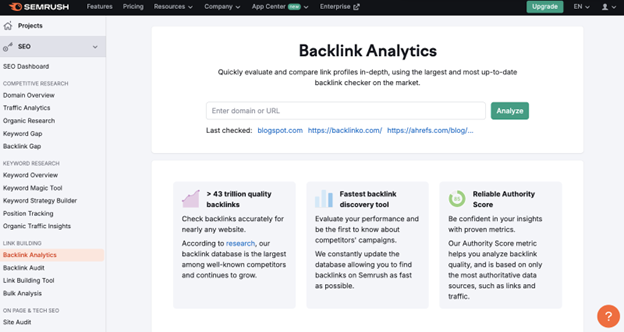
Source: SEMrush
- Enter your domain in the text box:
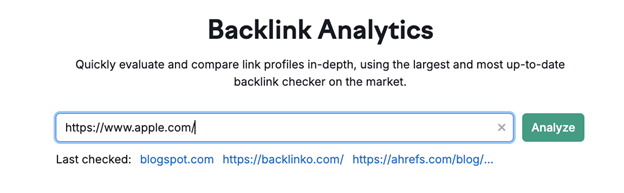
- Click on the “Analyze” button next to the text box, and voilà!
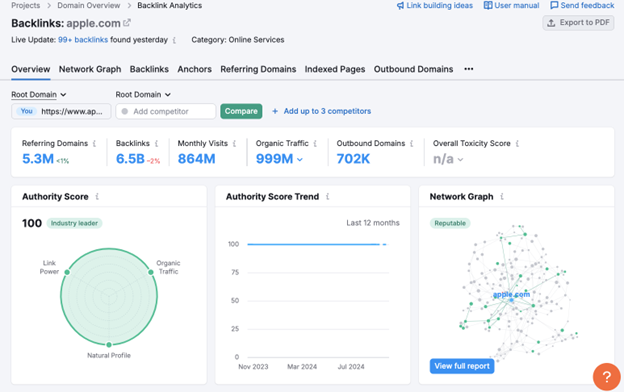
Now you can see:
- Everyone who’s linking to you,
- The authority of these sites,
- The anchor texts they are using,
- Which links are dofollow and which are nofollow,
- Your backlink toxicity score, and a lot more.

8 Strategies to Strengthen Your Backlink Profile
No matter how great or bad the situation of your backlink profile is, there is always room for improvement. So, here are our proven tips for enhancing the quality of your profile:
#1 Master Outreach
Link outreach is basically you cold-contacting websites and influencers, hoping to get them to give you some backlinks. It’s one of the oldest link-building methods, and it still works today. Chances are you have already done this before, so why is it on this list? Well, even though it’s so popular, a lot of people still struggle with making it work for them, but that doesn’t have to be your story.
Link outreach is a lot of work. But the best place to start is to carefully choose the sites you want to contact. How?
- Make sure all those pages are relevant & high-quality,
- Double-check their past & current traffic,
- Review their spam score,
- Ensure that the niche fits,
- Check that they have less outbound than inbound links,
- Verify a nice audience engagement rate.
This already eliminates most of the sites that may be spammy. Now, websites that tick these checkboxes probably get a lot of emails from people asking for backlinks, so they are not going to jump at any generic mail. The best thing is to send a well-crafted personalised email.
You want to focus on how collaborating with you is going to benefit them (e.g., more updated or context-relevant content for their audience). Resist the temptation to ramble on in an attempt to persuade them. Instead, keep it short and to the point. There are also tons of templates online you can customise.
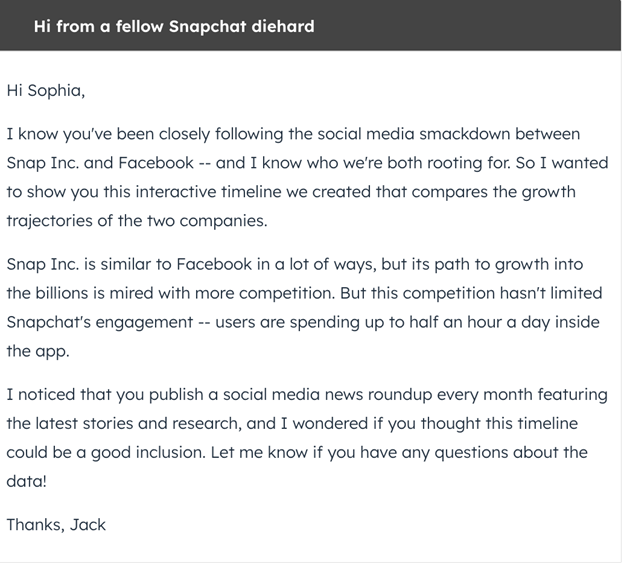
Source: HubSpot
Once your email is sent, it’s generally recommended that you follow up — send a gentle reminder 4-7 days later if you don’t get any response from them. If you get a response, congratulations!
Now, make sure you follow all the guidelines to get your link accepted. And don’t forget to send a short, warm thank you email even after you get your backlink. This helps you build a better relationship for future opportunities.
All you have to do now is repeat the step over and over and over again — you get the drift. It’s a numbers thing, after all. So, the more outreach you do, the more chances of gaining links you get, even if only 3 out of 40 webmasters say “yes.”
If that sounds like a lot of work, you run out of steam, or maybe you just want to improve your odds, you can also look at Links Management’s inventory and buy backlinks there with no outreach involved. This way, you get the same results without the whole hassle. But if you outsource backlink services, make sure you monitor your results closely — we’ll get to that in a bit.
#2 Use Guest Blogging Opportunities
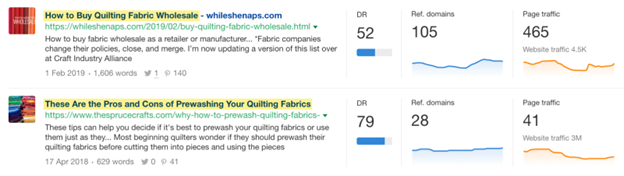
Another of the most talked-about backlink strategies is guest blogging. This is a tactic when you publish an article on another site, and it links back to you. The guest posting process can be quite a hassle, but it is worth it if you focus on high-authority sites within your niche.
Source: Ahrefs
Wondering how to find those sites for guest posting? You can start by checking out your competitors’ backlink profiles. This helps you figure out how to be unique and outrank your competitors with better and more valuable content. Plus, looking through the backlink reports of your competitors helps you know who currently links to their sites so you can contact them to link to you as well.
The really great thing about competitor backlink analysis is that you will learn why your site gets no mentions and gain insights on how you can change it. As a result, you can score top-quality links from trustworthy sites and see your site climbing to higher positions in SERPs.
#3 Consider Experimenting With UGC
User-generated content (UGC) can be a goldmine for link building when used correctly. These types of links come from your audience rather than you. This content can be created by people who mention you in their online communities, forums, blogs, or social media posts.
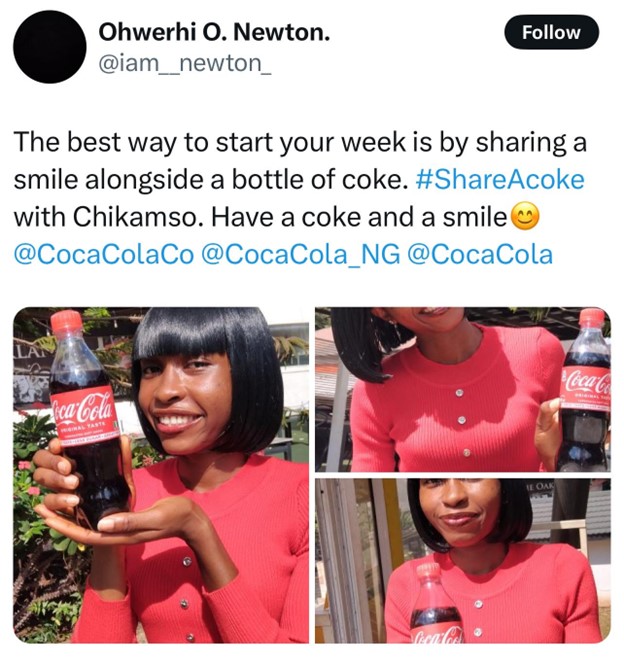
Each time someone shares their special lunch date at your restaurant on their feed and tags your SM profile or site, it shows the search algorithm that people love your website, products, and services. As a result, UGC links can improve your credibility and visibility, impacting your SEO performance.
That’s why you should encourage your users to leave reviews on your site, Google Business Profile, or their social media profiles. You can even throw in a little incentive by offering discounts to those who make a TikTok or YouTube video and tag your profile. Besides, you can offer rewards for referrals, start challenges, and create fun filters, dances, or memes — whatever works for your brand and fits the trends.
But be careful, though. The trouble with UGC is that you really have little control over the source of the backlinks. So, take precautions by using an SEO tool to monitor your backlinks and remove any toxic or spammy links before they hurt your search rankings.
#4 Leverage Influencers and Niche Experts
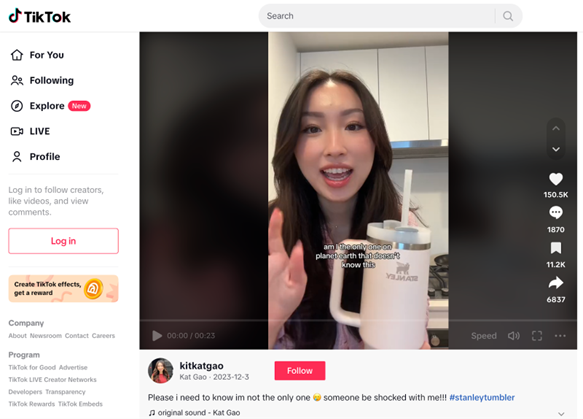
Involving influencers stands as one more priceless strategy for backlink acquisition and building brand awareness. To make it with flying colours, reach out to influential bloggers and experts within your niche and suggest on-site articles they could link to. You might even offer to interview them or record a podcast or a video together. In this case, they will likely promote it on their social media, linking back to your site.
Source: Kat Gao on TikTok
If you want to improve your backlink profile with this tactic, you have to focus on niche-relevant bloggers who have an audience similar to yours. Try to get in touch with some of the industry players and see what their requirements are. Pitch them the perks of linking to you. Maybe you can even get a couple of brand ambassadors. How does that sound?
Yet, you don’t have to spend millions on your influencer marketing. It is a misconception that only celebrities can skyrocket your backlink potential. In practice, influencers with small followings can show even better audience involvement. That’s why you should try to find some micro-bloggers in your niche, and you might be surprised by the outcomes.
#5 Restore Unlinked Mentions
Due to social media sharing power, many mentions of your brand’s services or products can appear online without linking to your site. But these citations add no SEO value without direct working links.
So, how can you overturn this in your favour? You have to find as many unlinked mentions as possible and contact their authors to make them clickable. So, create a list of your products/services or your most important keywords that could pop up as a source in the article.
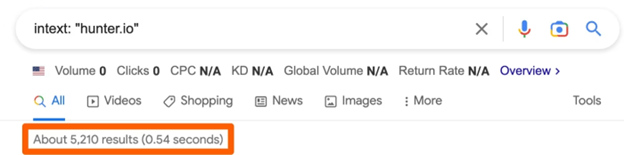
You can use SEO tools to track these words online or even use the Google search operator [intext: “keyword”] to search for other blogs or sites that may have mentioned you without linking to you. Still, using a specialised tool is better as it saves time and effort while seeking all the unlinked mentions online.
Source: Zapier
#6 Use Link Exchange Practices
This method was super popular back in the day. The idea was straightforward — you have a site, they have a site, so you simply link to each other. Easy, right? Well, yes, only now, these things don’t work as they used to. Why are we mentioning this tactic, then?
Simply because you can still use it, only under a different sauce and provided you stay within Google’s guidelines. For example, you can “exchange” links with your business partners. Just be careful that they aren’t flagged as attempts to manipulate search engine algorithms as you will get a penalty for that.
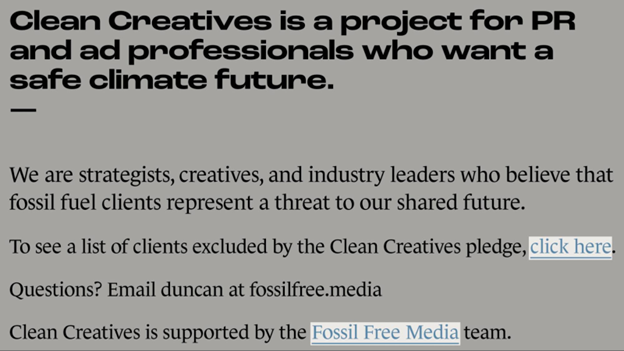
A good way to stay in the clear is to avoid directly linking from your website to the prospect’s and vice versa; instead, you could do a guest post swap, wherein both parties write articles for other sites that link to each other.
Source: Save the Children
Alternatively, you can contact some of the companies that helped you achieve great results, whether through their products or services. If you share your case study with them and they agree to publish it, you’ll definitely get a link.
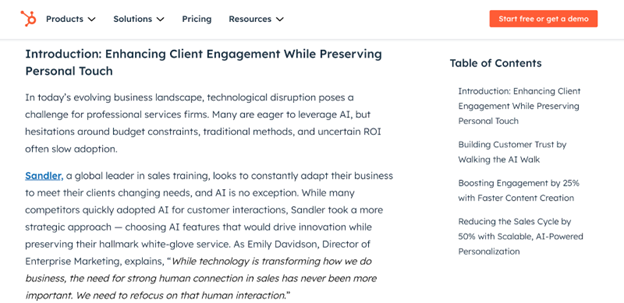
Source: HubSpot
#7 Work on Internal Linking
One of the easiest steps to boost your link-building efforts is adding internal links to your content across the site. When you link from one page to another, you cross-promote content within your site, and you make it easier for search bots to crawl your content. Of course, it won’t really improve your rankings, but it will surely influence your SEO performance.
Source: SEMrush
Internal linking is also beneficial since it positively influences users’ experience, making on-site navigation smoother and more trouble-free. As a result, your visitors keep exploring your resources longer.
#8 Consider Outsourcing
No doubt, link building requires a lot of time, effort, and resources. Sometimes, you won’t be able to manage your business and the link campaigns at the same time. That’s why link-building services exist.
A reliable white-hat backlink service can save you time and money and give you better results. They are able to pull this off because they have had years to build meaningful relationships with webmasters across different niches.
Still, since there are so many of them out there, take the time to research and make sure that not only are they using Google-approved link practices but that they also have experience with sites like yours.
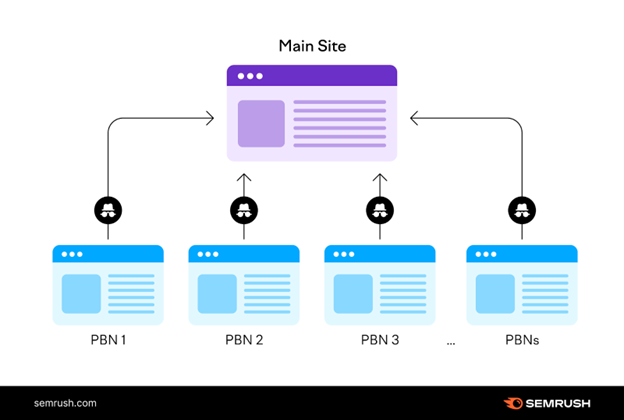
And don’t forget to check the links they send you to ensure that these are not from link farms, private blog networks (PBNs), or spammy sites. You can use SEMrush or any other preferred backlink analysis tool for this. This way, you won’t get penalised by Google even if you are using paid links. The best type of partnership is one in which you can approve donor pages before your agency or service publishes a link there.
Source: SEMrush
Conclusion
Link building is a great way to get your website the visibility and attention it deserves online. But it also requires a lot of skills and effort. It’s better to try different tactics till you find what works best for you.
Even then, don’t be afraid to outsource when you have a tight deadline, or there’s just too much on your plate. As long as you regularly monitor your backlink profile and check the link quality, you’ll be able to maintain a healthy domain authority.