3-4 MIN READ
Contents:
What is SEO?
Search engine optimisation (Or “SEO” for short) has been around since search engines started becoming the “go-to” for information in the late 1990s. Yet many people still ask, “What is SEO?”.
SEO is the practice of improving websites and web pages to help them rank higher in SERPs (Search engine results pages). It is often misunderstood due to dodgy SEO companies trying to manipulate results with tricks, cheats & hacks. Thankfully, the likes of Google are constantly improving their algorithms to deliver the best result for the user. As a result of this, websites must be optimised to ensure they are found by search engines and deliver exactly what the user is searching for.
Why is SEO Important?
SEO is incredibly important for businesses of all sizes as it’s the number one place we look for information. And with mobile search queries like “where to buy” and “near me” doubling in the last 2 years, SEO has never been more important for local businesses.
You Need to be Near the Top
On the first page alone, the first five organic results account for 67.60% of all the clicks. This means that if you don’t feature on the first page of Google, you’ll receive very little organic traffic. Many business owners are led to believe they rank highly but Google personalises results for the user. Your website may appear in the No.1 spot on your desktop PC or mobile, but others may be unable to find you.
TIP: Find out how to “un-personalise” your search results and see how you actually perform here.

Does SEO Work?
In short yes, SEO absolutely works! With enough time and budget, any business can compete for the top spots in Google’s SERPs with SEO. Although there isn’t a magic SEO formula, we do see a lot of consistency within results that rank higher based on factors that SEO improves.
Backlinks
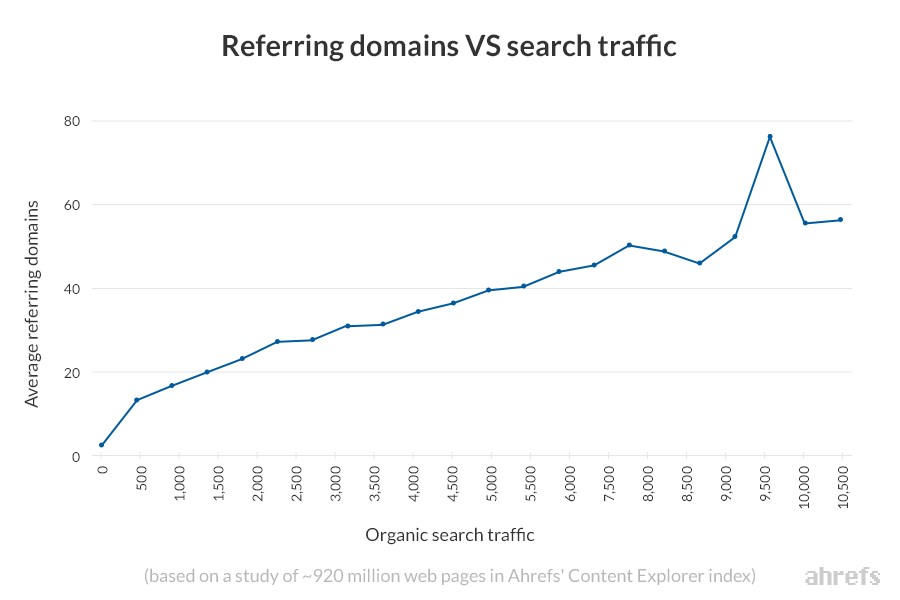
This is a great visual from Ahrefs comparing the number of backlinks from referring domains to a page and their organic search traffic.
On-Page SEO & User Experience
SEO improves user experience by enhancing things like load times, page content and how your pages are structured. Websites that visitors use more, spend more time on and don’t leave within seconds of entry tend to rank higher. You can find out more here.
Creating New and Optimising Old Content
Regularly creating new content is essential for increasing indexing from Google. Check out the effects of blogging regularly. You can even optimise existing content – Hubspot found that repurposing or optimising old pages doubled their conversion rate.

How Long Does SEO Take?
Unlike paid-per-click advertising, SEO is not instant and takes time.
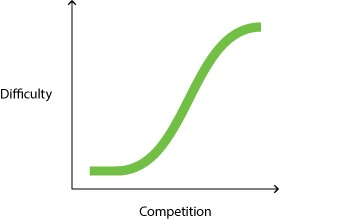
We would typically expect to start seeing SEO work in 4-6 months. After a few months as your SEO campaign gains traction, you would likely see an exponential performance improvement. However, there isn’t a defined timeframe to determine how long SEO takes. This is because it would take longer to rank in a very aggressive industry for a highly competitive topic. This means that SEO is also dependent on your industry; the number of competitors and the number of people searching for your product or service.
Concluding thoughts
61% of marketers consider improving their SEO and their appearance in organic results as their top inbound marketing priority and there is no wonder why.
If you want to bring in business through your website, SEO offers great long-term returns, no cost for every click and it’s completely trackable. You can measure your progress exactly and measure your return on investment.
Employing SEO services will help your business bring in new clients so speak to a specialist and get ready to start your SEO journey.